
The Gambler’s Mindset: Understanding Cognitive Biases
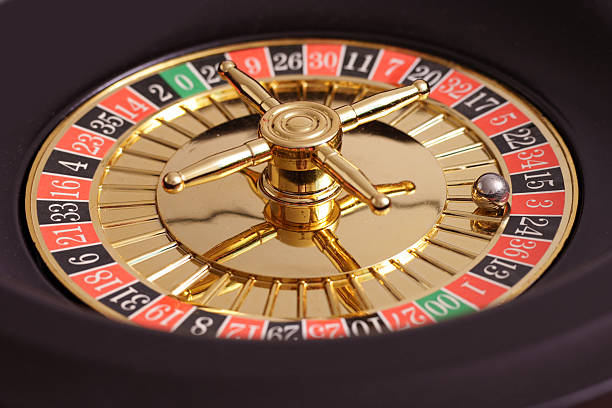
Casinos thrive on the inherent psychological tendencies of human beings. A key element in understanding how to navigate the casino environment lies in recognizing common cognitive biases that influence decision-making. One prevalent bias is the “gambler’s fallacy,” the mistaken belief that if something happens more frequently than normal during a given period, it will happen less frequently in the future, or vice versa. For instance, a player might believe that after a series of red outcomes on a roulette wheel, a black outcome is “due.” This line of thinking disregards the independent nature of each spin, and it’s important to approach these situations with a clear head, perhaps by consulting resources like https://goldwin-uk.org.uk/ for context on responsible gaming.
Another significant bias is “confirmation bias,” where individuals tend to seek out and interpret information that confirms their existing beliefs. A player who believes a particular slot machine is “hot” will focus on its recent wins, ignoring the many losing spins in between. This selective attention reinforces the belief, leading to continued play even when statistical evidence suggests otherwise. Understanding these psychological traps is the first step towards a more rational approach to casino gaming, making players less susceptible to emotional decision-making.
Emotional Control and Superstition in Casino Play
Emotions play a profound role in the casino experience. Excitement, frustration, hope, and despair can all cloud judgment and lead to impulsive actions. When players are on a winning streak, euphoria can lead to overconfidence and increased stakes, while losing can breed desperation, prompting riskier bets to “chase losses.” Developing emotional resilience and maintaining a calm demeanor, regardless of the game’s outcome, is crucial for disciplined play. This involves setting limits and sticking to them, even when emotions are running high.
Superstitions, while often irrational, are deeply ingrained in many gamblers. These can range from lucky charms to specific rituals before placing a bet. While these superstitions may provide a sense of comfort or control, they do not alter the mathematical probabilities of the games. Acknowledging and setting aside these beliefs in favor of strategic thinking is vital. Acknowledging the presence of superstition is important for self-awareness, allowing players to recognize when it might be influencing their decisions away from logic and probability.
The Illusion of Control and Skill in Casino Games
Many casino games, particularly those involving chance like slots or roulette, are designed to create an illusion of control. Players might feel they have a system or a “lucky touch,” leading them to believe their actions can influence the outcome. This is a powerful psychological hook that encourages prolonged engagement. In games of pure chance, skill plays no role, and every outcome is independent of past events. Recognizing which games are purely chance-based versus those with elements of skill (like certain card games) is fundamental.
Even in games with a skill component, such as poker or blackjack, the house edge remains a significant factor. Players who overestimate their skill level can fall prey to the illusion that they can consistently overcome the inherent advantage the casino holds. A realistic assessment of one’s abilities, combined with an understanding of the game’s mathematics and the house edge, is necessary for a more grounded approach. This realistic perspective helps in managing expectations and making informed decisions about when to play and when to walk away.
Behavioral Economics and Decision Making at the Casino
Behavioral economics offers insights into how psychological factors influence financial decisions, which are highly relevant to casino play. Concepts like loss aversion—the tendency to prefer avoiding losses over acquiring equivalent gains—can lead players to make irrational choices. For instance, a player might be more motivated to avoid a small loss than to pursue a larger gain of the same potential value. Understanding how these biases affect betting patterns can help players make more objective choices.
The framing of choices also plays a significant role. Casinos often present options in ways that can subtly influence a player’s decision. For example, displaying potential winnings prominently can create an optimistic outlook, overshadowing the actual probabilities of losing. By being aware of how information is presented and considering the alternative framing, players can make more rational decisions. This awareness allows for a more objective evaluation of risks and rewards, rather than being swayed by presentation.
Goldwin UK and Responsible Gaming Psychology
For players engaging with online platforms like Goldwin UK, understanding the psychology of gaming is paramount for a responsible and potentially more enjoyable experience. Goldwin UK, like any reputable online casino, aims to provide entertainment while also promoting responsible gaming practices. This includes offering tools and resources to help players manage their spending and play time effectively, such as deposit limits and self-exclusion options.
The psychological appeal of online casinos lies in their accessibility and the variety of games available. However, this convenience can also amplify the effects of cognitive biases and emotional decision-making. By applying the principles of understanding cognitive biases, emotional control, and realistic expectations, players can approach platforms like Goldwin UK with a clearer mind. Recognizing that casinos are designed with a house edge and that entertainment should be the primary goal, rather than profit, is a key aspect of a healthy gaming psychology when interacting with Goldwin UK or any other casino operator.