Understanding Pay-Per-Click ( PPC) Advertising
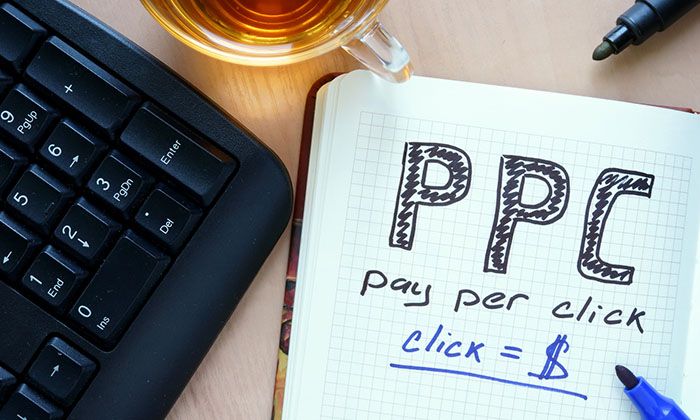
In the realm of digital marketing, Pay-per-click ( PPC) advertising stands as an important tool for businesses to enhance their online visibility and attract implicit guests. It’s a model where advertisers pay a figure each time one of their advertisements is clicked. This form of advertising allows businesses to bid for announcement placement in a hunt machine’s patronized links when someone searches for a keyword related to their business immolation.
How Pay-Per-Click Works?
The mechanics of PPC advertising are fairly straightforward. Advertisers produce announcement juggernauts and shoot on specific keywords applicable to their target followership. When druggies conduct quests using these keywords, the hunt machine displays applicable advertisements. Advertisers contend in a real-time transaction for announcement placement, and the advertisements are ranked grounded on colorful factors, including shot quantum and announcement quality.
factors of a PPC Campaign:
A typical PPC crusade consists of several crucial factors:
- Keywords: These are the words or expressions that advertisers shoot on. They should apply to the products or services being promoted and aligned with the target followership’s hunt queries.
- Ad Copy: The textbook of the announcement that appears in hunt machine results. Compelling announcement dupe is pivotal for attracting clicks and driving transformations.
- wharf runner: The web runner where druggies are directed after clicking on the announcement. The wharf runner should be optimized for conversion and give a flawless stoner experience.
- shot Strategy: Advertisers set a maximum shot quantum for each keyword, representing the maximum quantum they’re willing to pay for a click.
- Bidding strategies: can vary depending on crusade pretensions and budget.
- announcement Extensions: fresh information or features that can be added to the announcement, similar as position information, phone figures, or links to specific runners on the advertiser’s website.
Pay-Per-Click vs. SEO
While both PPC and Search Machine Optimization( SEO) are strategies for adding online visibility and driving business to a website, they operate in different ways and offer distinct advantages and disadvantages.
PPC Advantages
- Immediate Results
PPC juggernauts can induce immediate business and results, making it an effective strategy for short-term pretensions or elevations.
- Targeted Advertising:
Advertisers can target specific demographics, locales, and search queries, icing their advertisements to reach the most applicable followership.
- Measurable ROI
PPC platforms give detailed criteria and analytics, allowing advertisers to track their return on investment( ROI) and optimize juggernauts for better performance.
- Inflexibility
Advertisers have full control over their PPC juggernauts, including budget allocation, announcement creatives, and targeting options.
PPC Disadvantages
- Cost:
PPC advertising can be precious, especially for competitive keywords and diligence. Advertisers must precisely manage their budgets to avoid overspending.
- Dependence on Budget:
PPC business stops as soon as the budget runs out. Without nonstop investment, business and leads will decline.
- announcement Blindness
Some druggies may ignore or laboriously avoid clicking on advertisements, preferring organic hunt results.
SEO Advantages
- Long- Term Results SEO:
sweats can lead to sustainable, long-term business growth and bettered hunt machine rankings over time.
- Credibility and Trust:
Organic hunt results are frequently perceived as further secure and believable by druggies compared to paid advertisements.
- Cost- Effectiveness:
While SEO requires an outspoken investment in time and coffers, the ongoing conservation costs are generally lower compared to PPC advertising.
- High Click- Through Rates
Organic search results generally admit more advanced click-through rates than paid advertisements, especially for instructional queries.
SEO Disadvantages
- Time- Consuming SEO:
is a long-term strategy that requires nonstop trouble and tolerance. It may take months to see significant results, particularly in competitive requests.
- Algorithm Changes:
Search machine algorithms are constantly evolving, and changes can impact website rankings and business.
- Limited Control:
Unlike PPC, where advertisers have full control over announcement placement and visibility, SEO is subject to the algorithms and programs of hunt machines.
In conclusion
both PPC and SEO have their place in a comprehensive digital marketing strategy. PPC offers immediate results and targeted advertising but comes with a cost, while SEO provides long-term sustainability and credibility but requires ongoing trouble and tolerance. Eventually, the most effective approach will depend on the specific pretensions, budget, and coffers of each business.